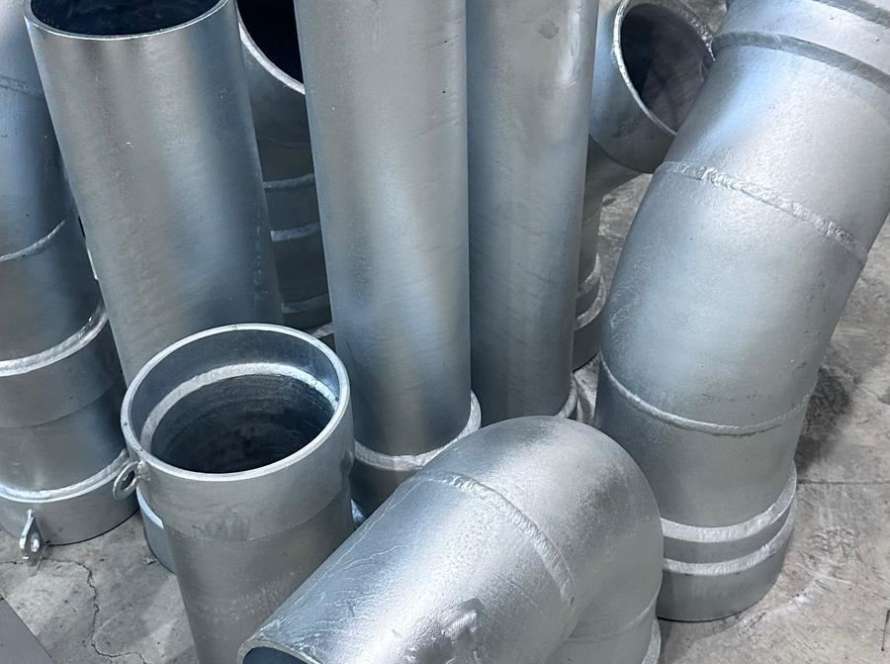
When it comes to protecting steel from corrosion, hot-dip galvanizing and paint systems are the two most widely used methods. Both offer real advantages, but their long-term performance differs considerably.
Durability Comparison
A hot-dip galvanized coating forms a metallurgical bond with the steel substrate, creating a series of zinc-iron alloy layers that are highly resistant to scratching and impact. Paint, by contrast, sits on the surface as a thin film and is more prone to peeling, cracking and blistering over time, especially at edges, welds and joints.
Maintenance Cost
Painted surfaces typically need to be inspected and touched up or repainted on a recurring cycle, while galvanized steel requires no additional maintenance for decades. This makes galvanizing especially advantageous for infrastructure that is difficult or costly to access, such as transmission towers, bridges and elevated structures.
The Numbers: Service Life in Practice
Under TS EN ISO 1461, hot-dip galvanized coatings on structural steel typically range from 45 to over 200 micrometers depending on material thickness. In a moderate atmospheric environment (corrosivity category C3 under ISO 9223), zinc corrodes at roughly 0.5-2 micrometers per year, which translates into a maintenance-free service life of 40-70+ years for a standard hot-dip coating. Conventional paint systems classified as “high durability” under ISO 12944-5 are typically rated for 15-25 years before the first major maintenance cycle, and in practice often require touch-up sooner in aggressive or UV-exposed environments.
Which One Should You Choose?
If a specific color or architectural finish is required, paint alone or an epoxy/paint coat applied over galvanized steel (a duplex system) is usually the right choice. But when pure durability, long-term cost savings and minimal maintenance are the priority, hot-dip galvanizing is clearly the stronger option.